How Military Forces Select the Right Firearms for Duty

Choosing a firearm for military use is not a quick decision. Every weapon goes through careful planning, tough testing, and detailed testing. Here are the simple step‑by‑step process military forces follow, and how Beretta design firearms that meet demanding standards.
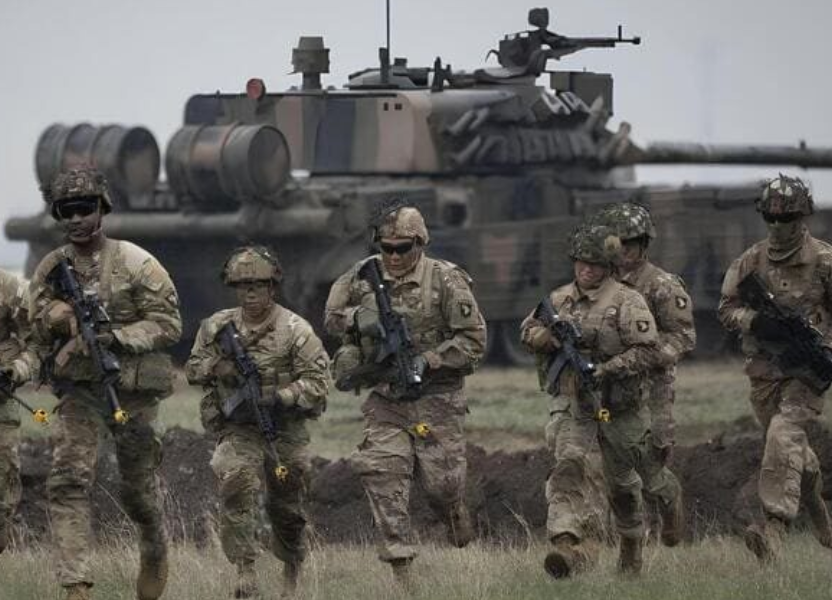
Modern military units do not select firearms based on brand reputation or popularity. Instead, it is a highly strategic and structured process. Decisions are made by carefully inspecting the quality through detailed requirements, formulation, and performance testing. Now with so many manufacturers and options available, choosing which firearms to test, and ultimately which to adopt, is a complex task. The process is extensive because there is no room for error. Before selecting any weapon, decision-makers must be thoroughly informed about every stage of the selection process.
Where to Get Military-Grade Firearms?
Before getting to the selection process, selecting the perfect manufacture is important. Many manufacturers claim to produce highly specialized firearms. However, one manufacturer we can confidently recommend is Beretta. The firearms designed for military use are engineered specifically to meet the operational needs of soldiers. You can explore their product lines using the same principles that military researchers apply
What Beretta Offers
Here is what Beretta offers:
- Firearm Manufacturing: They offer different types of guns for professionals, sport shooters, hunters, and personal use.
- Ammunition and Accessories: They deliver useful gear like holsters, magazines, cases, and cleaning tools to go with their firearms.
- Clothing and Outdoor Gear: They offer clothing and equipment designed for hunting, shooting, and outdoor activities.
- Defense and Military Solutions: They supply specialized weapons and equipment for military and law enforcement use.
- Customer Support and Warranty Services: They provide repairs, replacement parts, and help if customers have issues with their products.
- Training and Shooting Support: In some places, they help people learn safe handling and improve shooting skills.
The Process of Firearms Selection
Here is the process of military firearms selection that they employ before trusting any gun.
Requirements Formulation and Doctrine
Military forces don’t pick weapons quickly or randomly. The process starts years before a firearm is ever used in the field. The main start is military strategy (often called doctrine), which explains how the military plans to fight.
First, weapons must match the type of combat expected. For example:
- Fighting in cities may require shorter, lighter rifles that are easy to move with.
- Fighting in open areas may require weapons that can shoot farther and hit harder.
Rigorous Testing and Evaluation
Once requirements are set, possible weapons go through very tough testing. The goal is to make sure they work in real combat conditions.
Weapons go under Environmental Testing (MIL-STD-810H), such as:
- Freezing cold
- Dust and sand
- Saltwater exposure
- High heat and humidity
If a weapon fails in these conditions, it may not be selected.
Military testers also measure reliability. In which the testing tracks statistical performance includes:
- Mean Rounds Between Stoppages (MRBS)
- Mean Rounds Between Failures (MRBF)
Even extremely high reliability rates may be rejected, because mission-critical equipment must aim for near-perfect function.
Key Selection Criteria
If a weapon passes testing, the military looks at how practical it will be over time. One major factor is interoperability, which means working smoothly with allied forces. Military partnerships, like NATO, use shared standards so equipment like ammunition and accessories can be used across different countries.
Another important factor is ease of use. Weapons must work well even when soldiers wear gloves, body armor, or protective suits. Cost is also considered, but not just the purchase price. The military looks at long-term costs, including maintenance, spare parts, and training. They also check whether manufacturers can supply parts and support repairs for many years. A weapon is only useful if it can be maintained over time.
Assignment to Personnel: The “Duty” Selection
After adoption, weapons are not personally chosen by soldiers; they are assigned according to operational roles.
For example:
- Standard infantry soldiers may receive rifles or carbines.
- Machine gunners receive weapons designed for continuous fire.
- Some specialized roles may receive sidearms.
- Special operations units sometimes have more flexibility because their missions are unique.
Before deployment, every soldier must train with their assigned weapon and prove they can use it safely
Procurement and Legal Compliance
Final adoption requires strict legal review, and the military must comply with:
- National defense procurement laws
- International arms regulations
- Humanitarian law requirements
- Export control frameworks
Now, on the battlefield, soldiers cannot afford for their weapons to malfunction. There is no room for error; they need speed and proper functioning at all times. That is why many departments and personnel are involved in the selection process before any firearm actually reaches a soldier’s hands. We recommend Beretta as a reliable option in the firearm selection process, as their products are designed to deliver the precise performance that military operations demand.
Stay tuned to TalkAboutLadies for more information on firearms.
Recent Blogs
-
Best GOAT Power Bikes for Performance and Range
Explore the best GOAT Power Bikes for performance, range, and comfort. Compare Motor Goat, Billy Goat, Mini Goat, and MD models by power, battery, weight, and intended use.
2026-09-05 11:45:00 -
Is My Medic Trauma Pro The Best Trauma Kit For Your Emergency Setup
My Medic Trauma Pro packs specialized emergency supplies into one portable Med Pack. Here is what deserves attention before adding it to your setup.
2026-09-22 13:40:00 -

How Honeydew Accutane Works When You Want Treatment Prescribed Online
Online prescribing removes the waiting room, but Accutane still requires careful medical oversight. Here is what the Honeydew process involves from intake to monthly refills.
2026-09-22 13:28:00 -

Neuesbad DE Review: Is It the Best Online Store for Bathroom Renovation?
Renovating a bathroom requires durable fixtures, reliable temperature controls, and seamless delivery. Our detailed Neuesbad DE review evaluates top ceramic basins, rain shower systems, freestanding tubs, and daily usability to help you shop smart.
2026-09-06 13:14:00 -
Viking Saddle Bags That Make Harley Davidson Storage Easier
Extra storage should make your Harley more useful without leaving you second guessing fit or proportions. These four options approach that balance in different ways.
2026-09-22 13:21:00