Five Tips to Keep in Mind When Traveling with A Bike Rack for a Smooth Journey

Taking your bike on a road trip should be exciting, not stressful. A properly installed bike rack can make transporting your ride simple and secure. These practical tips cover the checks worth making before you hit the highway.
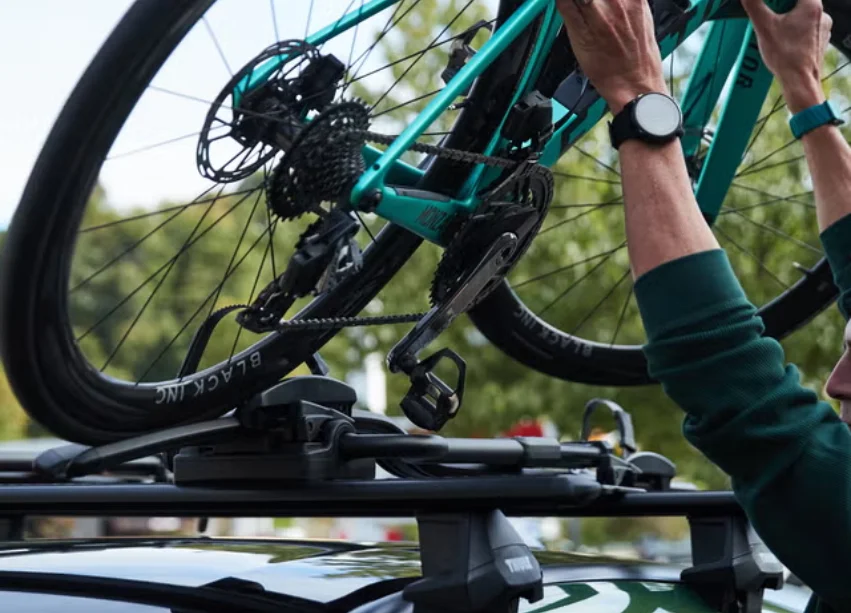
All featured products are selected by our editors and may include affiliate links. If you purchase through these links, we may earn a commission.
Traveling with your bike sounds simple enough. You think you’re prepared by simply strapping your bike to the hood of your car. All seems to be good until you’re cruising down the highway, when all of a sudden, a gust of wind hits your car. Your eyes immediately check the rearview mirror to see if that’s an extra wobble or if your bike is about to fly off the top of your car’s roof.
Loading your bike suddenly becomes a high-stakes balancing act. That’s where a durable bike rack comes into play. Designed to protect your bike from roadside disasters, installing a roof rack from Rhino Rack USA becomes a no-brainer for adventurers and bikers alike. But if this is your first time using one, or if you want to make the most of it, then keeping these practical tips in mind will prevent any rearview paranoia with total peace of mind.
5 Tips to Consider When Using Your Bike Rack
Before you hit the highway, here are five proven strategies to keep your bike rack setup secure and your mind at ease.
Check Your Vehicle and Rack's Weight Limits
Before loading your bike, check the weight limits for your vehicle, roof rack, crossbars, and bike carrier. Staying within the lowest applicable limit helps prevent excessive strain on your roof system and keeps your bike securely supported throughout the journey. Remember, exceeding these limits can damage your vehicle or rack and create a serious safety risk while driving.
Don't forget to include the weight of the bike carrier itself when calculating your total load. If you're unsure whether your setup can handle your bike, check your vehicle owner's manual and the manufacturer's specifications before setting off.
Practice Loading Your Bike Before Travel Day
Practice loading and securing your bike before the day of your trip so you aren't trying to figure everything out while you're rushing out the door. A quick trial run helps you learn where the bike should sit, how its securing mechanism works, and whether everything feels properly locked down before you reach the road.
Use this opportunity to check that your bike carrier is compatible with your roof-rack setup, as different carriers can have different mounting requirements. Rhino-Rack offers several bike-carrier options, so always follow the instructions for your specific setup.
Double-Check Every Attachment Point
Take a few minutes to inspect every part of your setup before driving away. Checking the carrier's mounting points, bike-securing mechanism, straps, locks, and other attachment points helps catch anything that is loose or incorrectly positioned before it becomes a problem on the road. A proper check can give you greater confidence that your bike will stay securely in place.
Give the loaded bike a gentle shake as a final check. It shouldn't shift excessively or feel loose. If anything seems questionable, stop and fix it before you start driving.
Know Your New Vehicle Height
Your bike can add significant height to your vehicle, making familiar garages, parking structures, and drive-throughs potential hazards. Measuring your vehicle with the bike loaded helps you know exactly how much clearance you need and can prevent costly damage to both your bike and vehicle.
Write the measurement on a sticky note and place it somewhere visible on your dashboard as a reminder. Pay particular attention whenever you're approaching low-clearance areas, especially if you're driving somewhere you don't normally visit.
Take a Short Test Drive and Recheck Everything
A short test drive allows you to catch problems before you're miles away from home. Driving around your neighborhood with the bike loaded lets you notice unusual movement, rattling, or other signs that something may not be secured correctly, giving you time to fix the issue before a long highway journey.
After the short drive, inspect the rack and bike again and check the connections according to the manufacturer's instructions. Pay particular attention to bolt connections when the roof-rack system is newly installed, as they may need to be checked again after an initial drive.
Why Rhino-Rack USA is Your Go-To for Reliable Roof Racks?
Roof racks by Rhino-Rack USA are specifically engineered to handle extreme highway winds and rough gravel without breaking a sweat. Their highly aerodynamic design also actively reduces drag to kill annoying wind noise on long drives.
Best of all, their system grows with you. These carriers integrate perfectly with your existing crossbars, cargo boxes, and sport awnings. It’s a fully modular setup that guarantees your roof rig is always customized and ready for the next adventure.
FAQs
What Is A Roof Rack Used For?
A roof rack adds extra carrying space to your vehicle, allowing you to transport bikes, luggage, roof-top tents, and other outdoor gear.
Can You Put A Roof-Top Tent On Any Roof Rack?
No. A roof-top tent requires a compatible roof rack with a suitable weight capacity, so always check your vehicle and rack specifications first.
What Is A Hitch Bike Rack?
A hitch bike rack attaches to your vehicle's hitch receiver and provides a convenient way to transport bikes without placing them on the roof.
How Do Roof Racks Differ From Roof Rack Cross Bars?
Roof racks are the complete mounting system, while roof rack cross bars are the horizontal bars that provide a platform for attaching accessories such as bike carriers and cargo boxes.
Can I Use A Bike Rack With Roof Rack Cross Bars?
Yes, many roof-mounted bike carriers are designed to attach to cross bars, but you should always confirm compatibility between the carrier, cross bars, and your vehicle.
How Much Weight Can Roof Racks Hold?
The weight capacity varies by vehicle and rack system, so always follow the lowest applicable weight limit specified by your vehicle and roof rack manufacturer.
A bike rack shouldn’t make you nervous every time you merge onto the highway. Once you know your vehicle’s height and weight limits, practice loading your bike, check every attachment point, and take a quick test drive, transporting your bike becomes much more straightforward. If you’re ready to upgrade your setup, explore Rhino-Rack USA’s range of roof-mounted bike carriers to find the right fit for your vehicle and riding needs, and make your next trip easier, safer, and far less stressful.
Stay tuned to TalkAboutLadies for more actionable travel tips.
Recent Blogs
-

Understanding Telehealth for Psychiatrists: How Online Psychiatry Works and What to Expect
Finding the right psychiatric care isn’t always easy, especially when time and location get in the way. Telehealth for psychiatrists can make access simpler. Here’s what to know about online appointments, prescriptions, and treatment.
2026-08-14 18:05:00 -

The Best Cashmere Scarf Picks by Black UK for Everyday Luxury
A great cashmere scarf can instantly make an outfit feel more polished while keeping you comfortably warm. Black UK offers timeless styles designed for effortless versatility. Here are our top picks.
2026-08-07 17:57:00 -

Pack Your Perfect Vacation Dresses From Red Dress
Your vacation wardrobe deserves more than the usual basics. The right dress can instantly make your beach days, resort dinners, and sunset strolls feel more stylish, comfortable, and effortless. With Red Dress, you can find vacation-ready styles that are easy to pack and even easier to wear.
2026-08-03 17:48:00 -
Five Tips to Keep in Mind When Traveling with A Bike Rack for a Smooth Journey
Taking your bike on a road trip should be exciting, not stressful. A properly installed bike rack can make transporting your ride simple and secure. These practical tips cover the checks worth making before you hit the highway.
2026-08-08 17:52:00 -
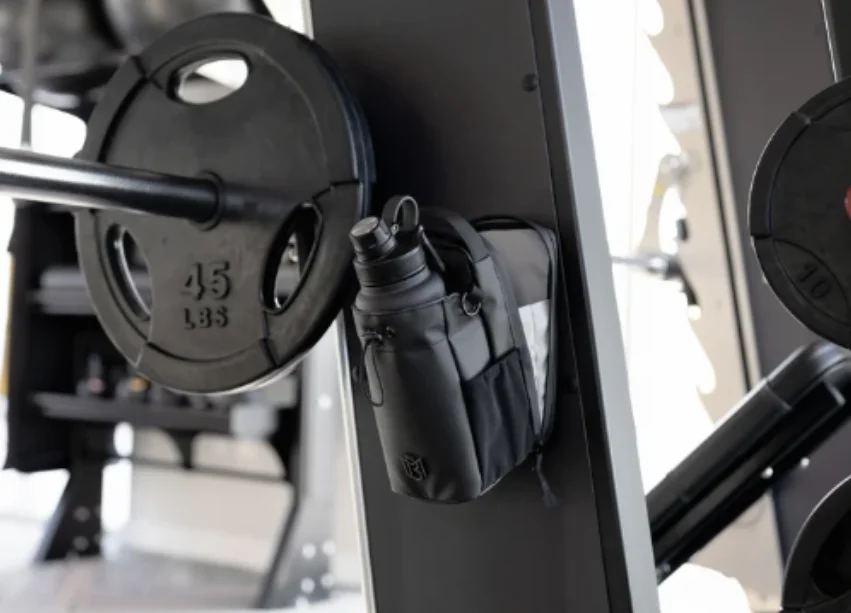
Magnetic Gym Review: Is This the Bag You Didn’t Know You Needed?
A water bottle, phone, keys, and wallet can become surprisingly annoying to manage during a workout, especially when you’re constantly moving between machines. I wanted to see whether the Magnetic gym bag could make that daily juggling act a little easier.
2026-01-12 17:45:00